Is Your Business Ready for Investment?
A Self Assessment.
Most entrepreneurs think they need to be bigger before investors will pay attention. The truth? It's not about size. It's about readiness.
Sharlene Carnegie
Published on
21 February 2026
3 min read
You've built a profitable business. Your products are on shelves across Dominica, and customers keep coming back. Now you're thinking about the US market—but scaling requires capital you don't have. Before you start reaching out to investors, ask yourself: Is my business actually ready for equity investment?
Most Dominican entrepreneurs think they need to be bigger before investors will pay attention. The truth? It's not about size. It's about readiness. And readiness comes down to three critical factors.
Take this self-assessment to find out where you stand.
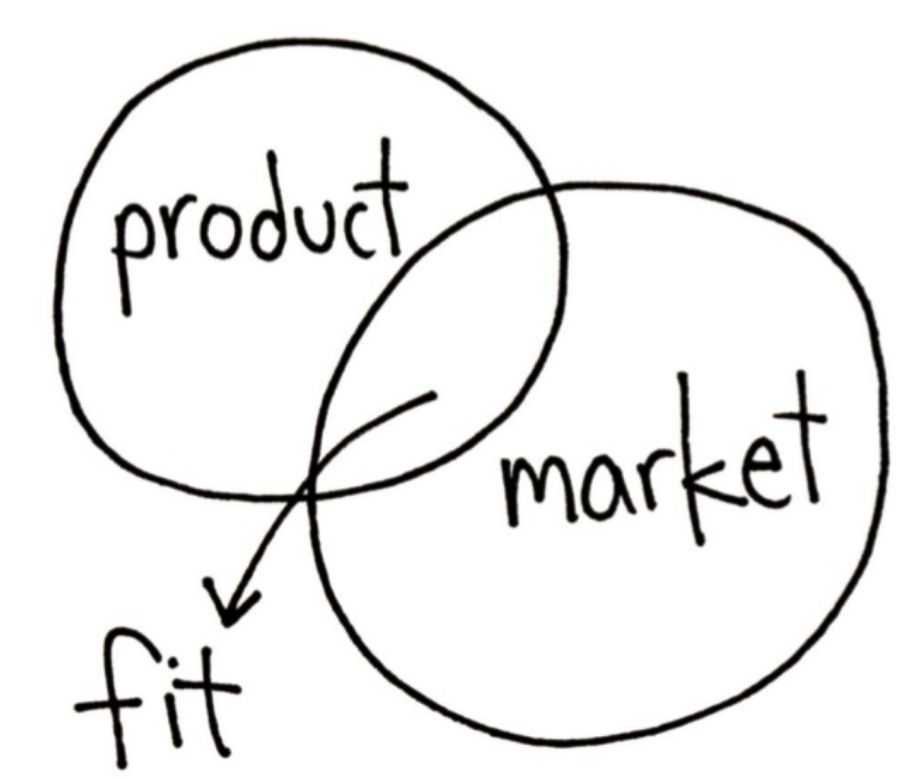
Do You Have Proven Product-Market Fit?
Investors typically look for consistent revenue over at least 2-3 years (not just one lucky year). Businesses need repeat customers, not one-time buyers, and organic demand, where people seek out your product (you're not pushing hard to make every sale). Investors don't fund ideas—they fund proven businesses. If you've sold your wellness shots, natural skincare, or specialty foods consistently for three years, you've proven something valuable: people want what you make.
Self-Assessment Questions:
✓ Have you been in business for at least 3 years?
✓ Do you have customers who buy from you monthly or quarterly?
✓ Can you point to 10-20 loyal customers who would be upset if you stopped making your product?
✓ Have you grown revenue year-over-year (even if modestly)?
Are You Profitable
(Or Know How to Get There)?
Can You Articulate Why the US Market Needs Your Product?

Investors want to see that you have positive net profit margins (ideally 15-25%), a clear understanding of your unit economics (cost to make + sell one product), and a path to profitability if you're currently reinvesting everything into growth. Your business needs to work at its current scale before pouring money into expansion. If you're losing money selling 1,000 units per month in Dominica, selling 10,000 units per month in the US won't fix the underlying problem—it'll just lose money faster.
Self-Assessment Questions:
✓ After paying for ingredients, packaging, labor, rent, and utilities, do you have money left over?
✓ Can you explain exactly how much profit you make on each product sold?
✓ If you're breaking even, is it because you're reinvesting in growth (new equipment, more inventory) vs. barely covering costs?
✓ Could you pay yourself a reasonable salary AND still have profit left?
In order to establish the value of your products, you need to articulate a clear differentiation (what makes your product unique). This requires an understanding of US customers (who buys this and why?), and realistic market opportunity (whether this is a $10M market or a $1B market). "My product is high quality" isn't enough. Every entrepreneur thinks their product is high quality. Investors need to understand: Why would a customer in Miami choose your moringa powder over the 47 other options on Amazon?
Your answer might be authenticity, unique formulation ("the only turmeric-ginger shot with soursop") or cultural positioning ("Nature Isle wellness, straight from the mineral-rich waters of Dominica"). You need to clearly explain your differentiation and name specific US customer segments who would pay premium prices for it.
Self-Assessment Questions:
✓ Can you complete this sentence in 10 words or less: "My product is the only _____ that _____"?
✓ Do you know which US customers would pay $8-$15 for your product (vs. the $3-$5 you charge locally)?
✓ Have you researched competitors in the US and understand what you do better or differently?
✓ Can you name 3-5 retailers or distribution channels where your product would fit naturally?
The Bottom Line
Investment readiness isn't about being the biggest or the most polished. It's about having a real business with real customers solving a real problem—and being ready to scale with the right partner. If you've built something profitable and proven in Dominica, you're closer to investment-ready than you think, and Laramy Group can help. We offer something different: capital + platform + access.
Capital (The Expected Part)
$40,000-$85,000 for 25% equity. No debt. No monthly payments. You retain majority ownership and control. We invest for 5-7 years, not 12 months—giving you time to build something sustainable.Platform (The Differentiator)
We don't just fund your Shopify store—we build it, launch it, and manage it. Same with Amazon FBA setup, wholesale portals, email marketing automation, inventory management systems, and analytics dashboards. Everything you need to compete in US e-commerce, handled by our team.Access (The Game-Changer)
We sponsor your L-1 visa so you can work in the US and manage expansion in person. We guide you through FDA compliance (or MoCRA for beauty brands). We connect you with our vetted network: HACCP consultants, 3PL fulfillment partners, customs brokers, retail brokers, and buyers.
We've done this before. We know where the landmines are. We know which Shopify apps actually work and which are a waste of money. We know how to structure wholesale pricing so you don't accidentally price yourself out of retail. We know what Whole Foods buyers want to see in a pitch deck. We have over 50+ years of collective experience.
You focus on product, brand, and customers. We handle the infrastructure. The US market is waiting. The only question is: are you ready to take it?